
Current assets include cash, accounts receivable, inventory, and other assets that are expected to be converted into cash within a year. Current liabilities encompass short-term obligations such as accounts payable, short-term debt, and other liabilities due within the next 12 months. Working capital is the difference between a company’s current assets and its current liabilities on its balance sheet.
Current Liabilities:

For example, if you just got a $50,000 loan that’s going to be paid over 5 years, you need to know how much you’ll be paying within the first year of the loan. A shorter cycle is generally viewed as most desirable, as it limits the amount of time in which working capital is inaccessible as cash. Another useful way to gain insight into your business’s working capital is the working capital cycle. Calculating your business’s working capital and working capital ratio is important, but it is also key to understand how to manage your capital. But there are also ways to use working capital to examine the state of your business’s finances in even more detail.
Treasury Management

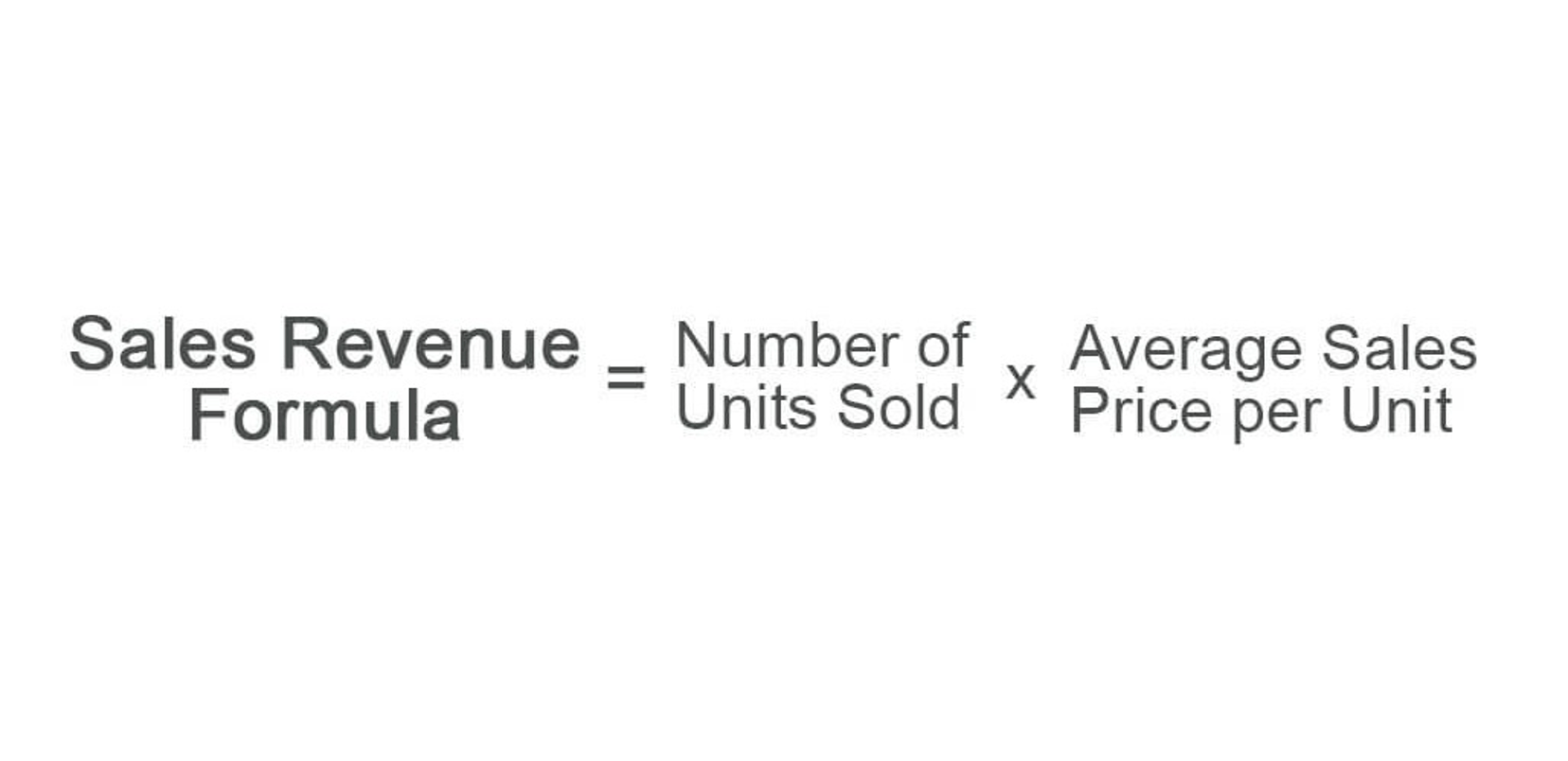
The working capital turnover ratio Certified Public Accountant is calculated by dividing sales revenue by working capital (that is, current assets minus current liabilities). While sales revenues cannot be negative, if the working capital is negative, the working turnover ratio can become negative. The working capital ratio helps determine a business’s current financial obligations and indicates how much of its revenue can be used to meet its short-term debts.
Application Management

A balance sheet liability account that reports amounts received in advance of being earned. For example, if a company receives $10,000 today to perform services in the next accounting period, the $10,000 is unearned in this accounting period. It is deferred to the next accounting period by crediting a liability account such as Unearned Revenues. Next period (when it is earned) a journal entry will be made to debit the liability account and to credit a revenue account. Recall that the days’ sales in inventory was one of the two components of a company’s operating cycle. Unfortunately, the cost of inventory reported on the balance sheet pertains to the final moment of the accounting year, while the cost of goods sold is the cumulative amount for the entire accounting year.
Company Overview
If a company has $800,000 of current assets and has $800,000 of current liabilities, its working capital ratio is exactly 1. Most major projects require an investment of working capital, which reduces working capital ratio definition cash flow. Cash flow will also be reduced if money is collected too slowly, or if sales volumes are decreasing, which will lead to a fall in accounts receivable. Companies that are using working capital inefficiently often try to boost cash flow by squeezing suppliers and customers. If your ratio is too high, it might mean you’re not using your assets effectively; you’re basically letting resources sit idle rather than putting them to work. On the flip side, if your ratio is too low, you risk being strapped for cash at exactly the wrong moment – like when it’s time to pay rent or seize a sudden growth opportunity.
- Many businesses check it monthly – especially those with significant swings in inventory or accounts receivable.
- Current liabilities encompass short-term obligations such as accounts payable, short-term debt, and other liabilities due within the next 12 months.
- Also a stockholders’ equity account that usually reports the cost of the stock that has been repurchased.
- If the business does not have enough cash to pay the bills as they become due, it will have to borrow more money, which will in turn increase its short-term obligations.
- These examples show how technology can speed up the conversion of a company’s current assets to cash or how the company can delay the payment of cash for some purchases.
Business Loans
It consists of the amount the customers owe minus an estimated amount that will not be collected. To illustrate, let’s assume that the general ledger account entitled Accounts Receivable has a balance of $54,000. The net of these two account balances is $50,000 ($54,000 minus $4,000) which is listed after cash and temporary investments. For example, if a company has current assets of $90,000 and its current liabilities are $80,000, the company has working capital of $10,000.
- Being liquid means that a company can cover the difference between the cash going in and the cash going out of the business, or, in other terms, the difference between its current assets and liabilities.
- Calculating your business’s working capital and working capital ratio is important, but it is also key to understand how to manage your capital.
- It uses some of its cash reserves to expand its product lines and marketing campaigns to attract new customers, increase sales, and position itself for success.
- Unlike other liquidity ratios, it incorporates all of a company’s current assets, even those that cannot be easily liquidated.
- Conceptually, working capital represents the financial resources necessary to meet day-to-day obligations and maintain the operational cycle of a company (i.e. reinvestment activity).
- This presentation gives investors and creditors more information to analyze about the company.
At the end of the fiscal year, a small retail store has $100,000 in cash, $80,000 worth of payments expected from customers, and $50,000 worth of inventory. The working capital turnover ratio reflects management’s ability to use a company’s short-term assets and liabilities to support sales. The accounting method under which revenues are recognized on the income statement when they are earned (rather than when the cash is received).
Have https://www.bookstime.com/ you ever looked at shelves full of slow-moving items and thought, “I should’ve ordered fewer of these”? Overstock can lock up cash that you could be using to cover essential bills or fresh initiatives. Tools like Fishbowl or TradeGecko (now part of QuickBooks Commerce) can help you forecast demand so you’re ordering the right amount at the right time.